



For lithium battery production, choosing reliable die cutter manufacturers helps improve electrode cutting consistency and production efficiency. Electrode sheets require accurate shapes and clean edges before cell assembly. Therefore, manufacturers should evaluate cutting precision, tooling configuration, material handling, and quality control.
The Die-Cutting Machine is designed to cut battery electrode sheets into specified shapes. It supports electrode preparation for lithium-ion battery manufacturing. Moreover, its precision cutting process helps manufacturers prepare components for subsequent stacking and assembly.
However, equipment selection requires more than cutting speed. Buyers should also examine edge quality, dimensional repeatability, maintenance needs, and waste collection.
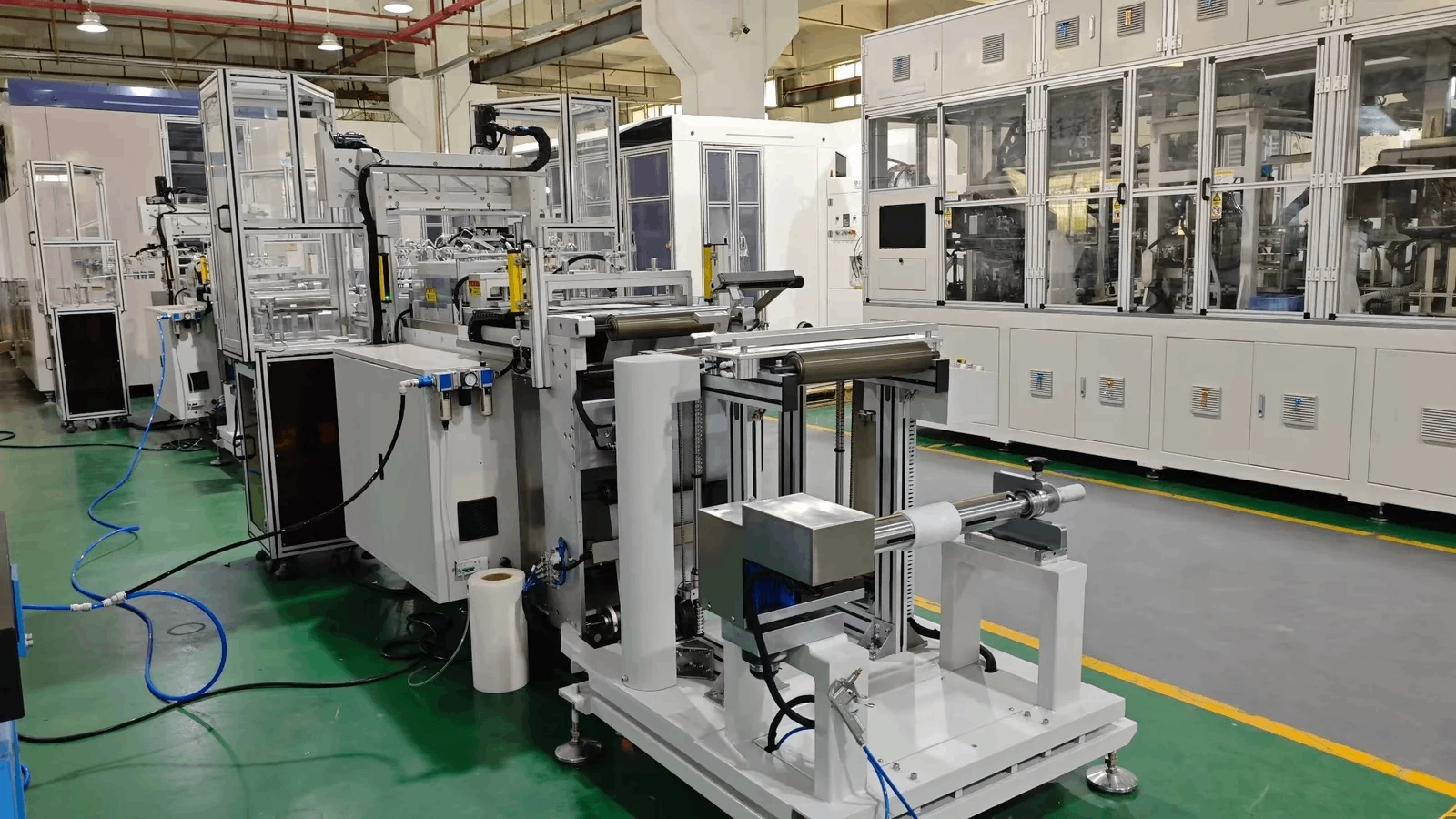
How Can Die-Cutting Equipment Improve Electrode Quality?
Electrode sheets require consistent dimensions for downstream assembly. Meanwhile, variations in cutting edges can affect material handling and alignment during stacking. Consequently, manufacturers should prioritize stable cutting performance and repeatable results.
Evaluate Precision and Edge Quality
A suitable die-cutting machine helps produce electrode sheets with defined shapes and dimensions. Additionally, stable equipment structures support consistent processing across production batches. However, buyers should request measured tolerances rather than relying on general precision claims.
For example, teams can inspect electrode dimensions, edge condition, burr formation, and coating integrity. Furthermore, trial cutting should use representative electrode materials. This helps confirm whether the machine meets actual product specifications.
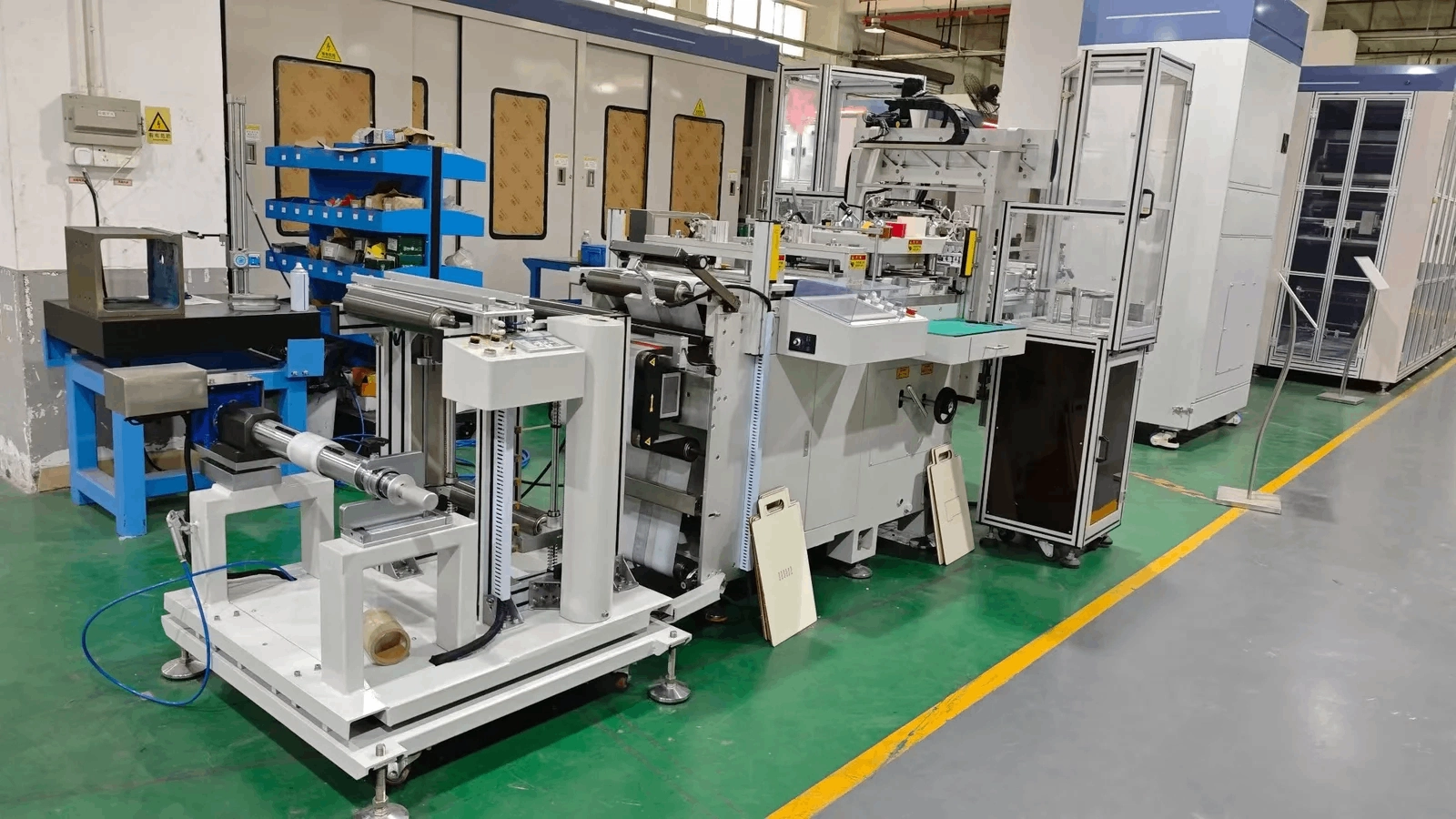
Which Cutting Technology Fits Battery Production?
Battery manufacturers may process different electrode materials and component geometries. Therefore, they should confirm the cutting method before selecting equipment. Tooling design, material thickness, and shape complexity all influence the appropriate configuration.
Confirm the Machine’s Cutting Process
The product information describes a steel-rule die-cutting machine and also references laser technology. These terms can describe different parts of a cutting process. Consequently, buyers should clarify whether the laser produces the tooling or directly cuts the electrodes.
Next, request details about tooling changes, cutting tolerances, and material compatibility. For complex electrode shapes, sample testing can verify achievable edge quality. Meanwhile, production teams should assess tooling life and changeover requirements.
Explore our Battery Manufacturing Equipment for electrode processing and production solutions.
How Can Automated Cutting Support Production Efficiency?
Battery factories need consistent component output and predictable production schedules. However, actual throughput depends on material feeding, cutting cycles, unloading, and tooling changes. Therefore, manufacturers should evaluate complete operating performance.
Measure Throughput Under Real Conditions
The featured machine targets efficient electrode sheet cutting. Its stable structure and reliable components support continuous production requirements. Additionally, an optimized waste collection system helps maintain a cleaner working area.
Nevertheless, buyers should request verified cycle times and sustained output figures. They should also evaluate downtime, changeover duration, and maintenance intervals. These measurements provide a more realistic basis for comparing equipment proposals.
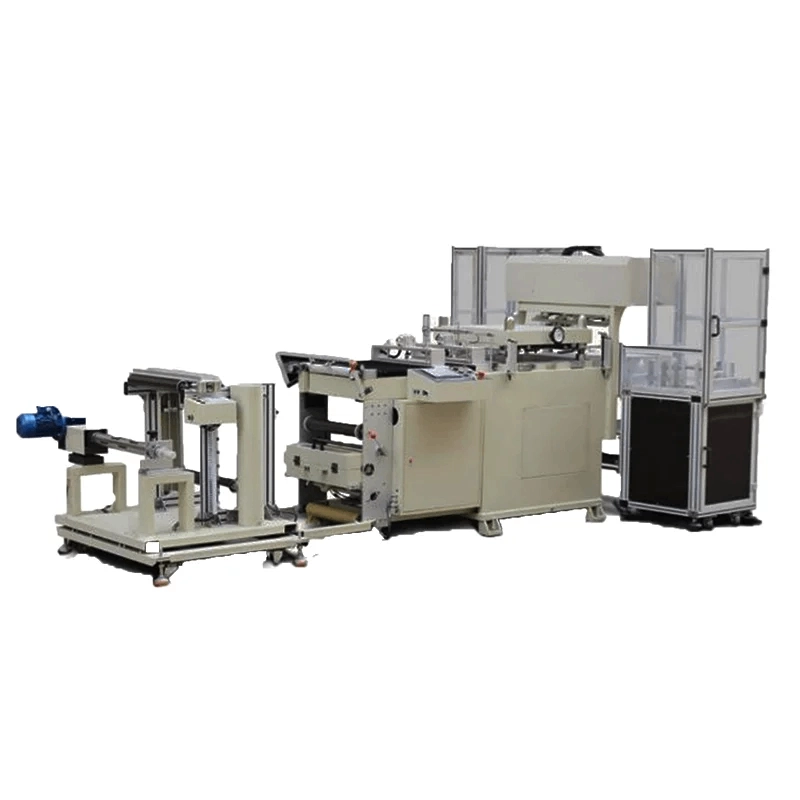
What Should Buyers Compare Before Choosing Die Cutter Manufacturers?
A machine must match electrode specifications and factory operating conditions. Therefore, buyers should compare documented capabilities, not just supplier descriptions. The following table highlights essential evaluation points.
|
Evaluation item |
Machine information |
Buyer verification |
|---|---|---|
|
Main application |
Lithium battery electrode cutting |
Confirm electrode types |
|
Cutting method |
Steel-rule die-cutting; laser technology is also referenced |
Clarify the actual process |
|
Cutting quality |
Designed for smooth, accurate edges |
Request sample inspection results |
|
Production efficiency |
High-speed operation stated |
Confirm measured throughput |
|
Machine structure |
Robust frame and reliable components |
Review maintenance requirements |
|
Noise and waste |
Low-noise operation and waste collection described |
Request operating data |
|
Material compatibility |
Rigid and flexible materials mentioned |
Test actual electrode materials |
|
Precision data |
Specific tolerance not provided |
Request dimensional specifications |
|
Certifications |
Not specified |
Request relevant documentation |
Establish Measurable Acceptance Criteria
Before purchasing, define dimensional tolerances and acceptable edge conditions. Additionally, specify output targets, material thicknesses, and changeover expectations. These requirements help suppliers prepare a suitable machine configuration.
Read our Technical Guide for practical advice on equipment selection and production process planning.
Why Do Maintenance and Working Conditions Matter?
Battery electrode production requires controlled material handling and suitable housekeeping. Therefore, buyers should assess maintenance access, waste removal, and the surrounding production environment.
The machine’s structural design supports stable operation. Meanwhile, its waste collection system helps manage cutting residues. However, actual cleanliness and noise levels depend on process conditions and facility arrangements.
Manufacturers should also confirm guarding, emergency stops, and applicable machine safety requirements. Furthermore, maintenance teams need clear procedures and access to replacement tooling. These details support predictable operation over the equipment lifecycle.
Ultimately, the right die cutter manufacturers combine technical transparency with application-specific engineering support. By validating cutting quality, production capacity, and maintenance requirements, battery manufacturers can make better-informed equipment investments.
Q&A: Die Cutter Manufacturers for Battery Production
Q1: What does a battery electrode die-cutting machine do?
It cuts electrode sheets into specified shapes for lithium-ion cell manufacturing. Consequently, it supports preparation for downstream stacking and assembly.
Q2: Which cutting quality factors should buyers evaluate?
Check dimensional accuracy, edge quality, burr formation, and coating integrity. Additionally, test representative materials under the intended production conditions.
Q3: Why should buyers clarify the cutting technology?
Steel-rule tooling and direct laser cutting use different processes. Therefore, confirming the machine configuration helps buyers assess tooling costs, achievable tolerances, and material compatibility.
Q4: How can buyers verify production efficiency?
Request sustained throughput data, cycle times, and changeover measurements. Moreover, evaluate material feeding, waste collection, and maintenance requirements.
Q5: What information should buyers provide when requesting a quotation?
Provide electrode dimensions, material specifications, required shapes, and target output. Also, define acceptable tolerances and production conditions. This information helps suppliers evaluate the application and recommend appropriate equipment.